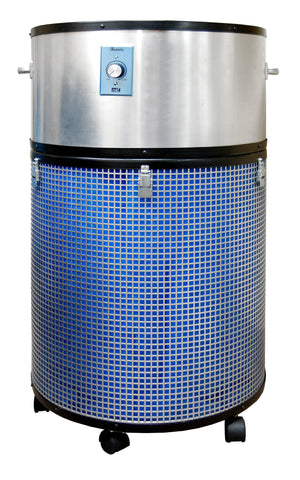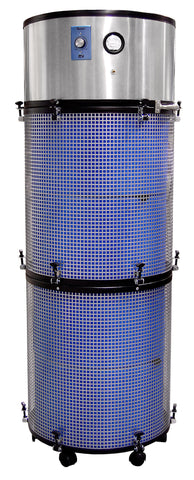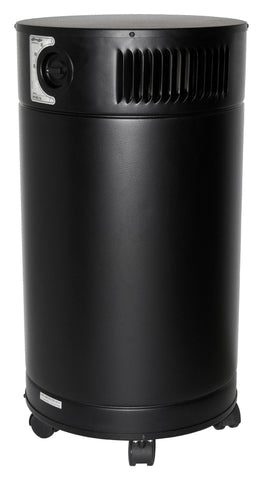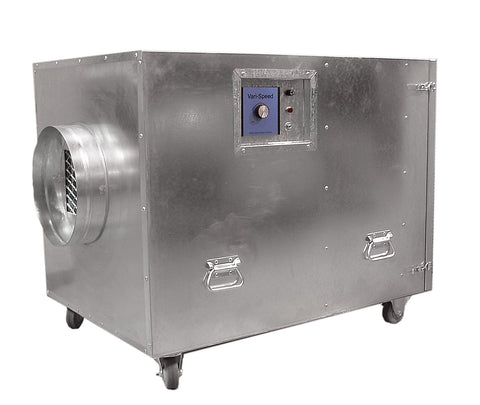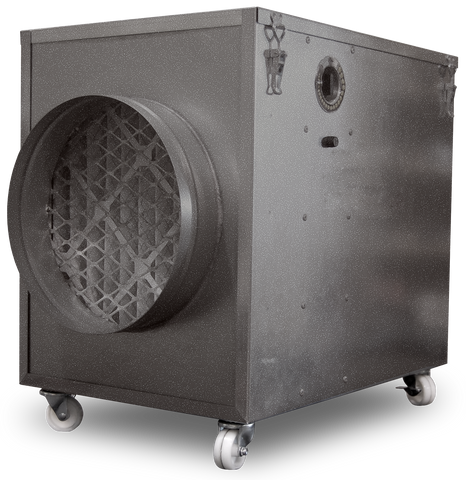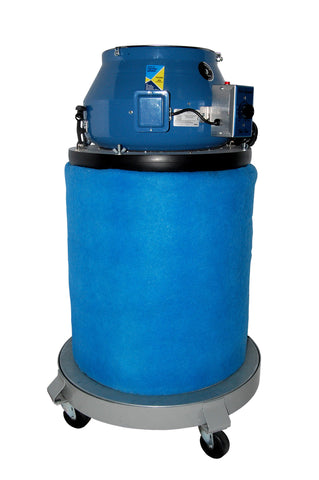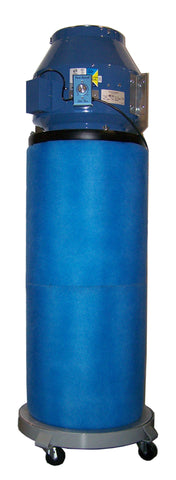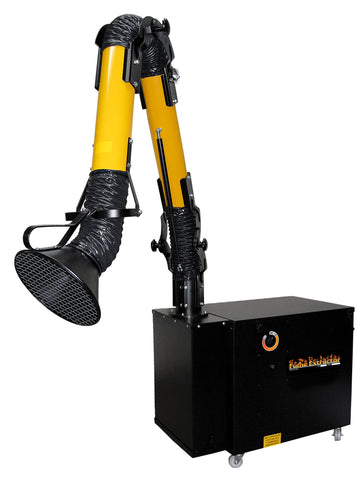
Heavy Duty Air Cleaners Customized to Meet Your Needs
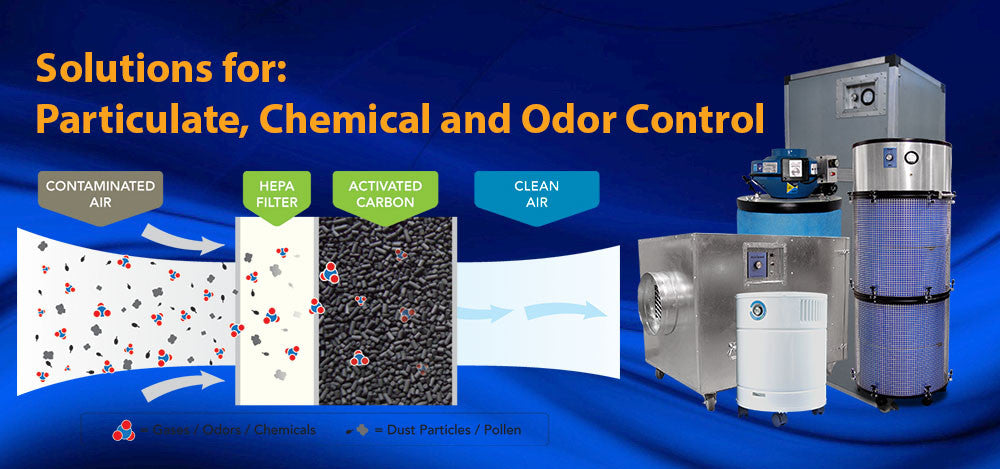
Electrocorp Air Filtration Systems manufacture top quality, strong and durable Industrial air purification systems to meet any demand. Electrocorp Industrial is a global innovator in chemical, odor and particle control and we offer the most efficient and cost-effective air cleaners for industrial solutions.
Maintaining high quality air in our home and working environments has become the challenge of the 21st Century. Indoor air pollution, which has both natural and man-made origins, has gained a strong foothold in every corner of the industrial world. We see how dust from our natural environment and other man-made particulates continues to constitute a high percentage of our indoor airborne contaminants.
In today's world, pollution generated by man has a high degree of modern technology at its source. Many of these particulate and chemical contaminants (VOCs - Volatile Organic Compounds) have a petrochemical origin, and we are exposed to them on a daily basis.
It is the responsibility of industries to do their part to remove toxic, hazardous contaminants from the work place in order to provide proper employee safety and comfort. At Electrocorp, we have designed industrial strength air purification equipment that will solve any situation
Electrocorp's equipment does not heat or cool the air, they just clean it, and clean air is good business.
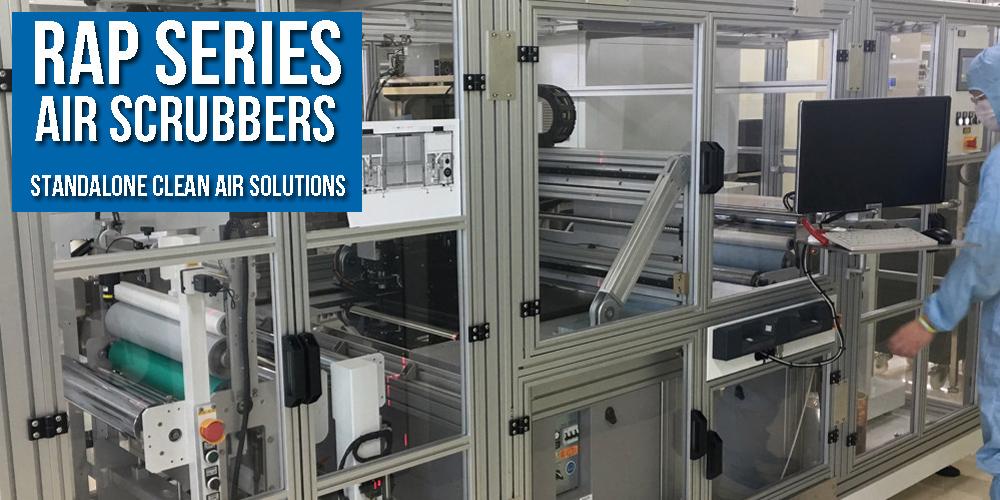
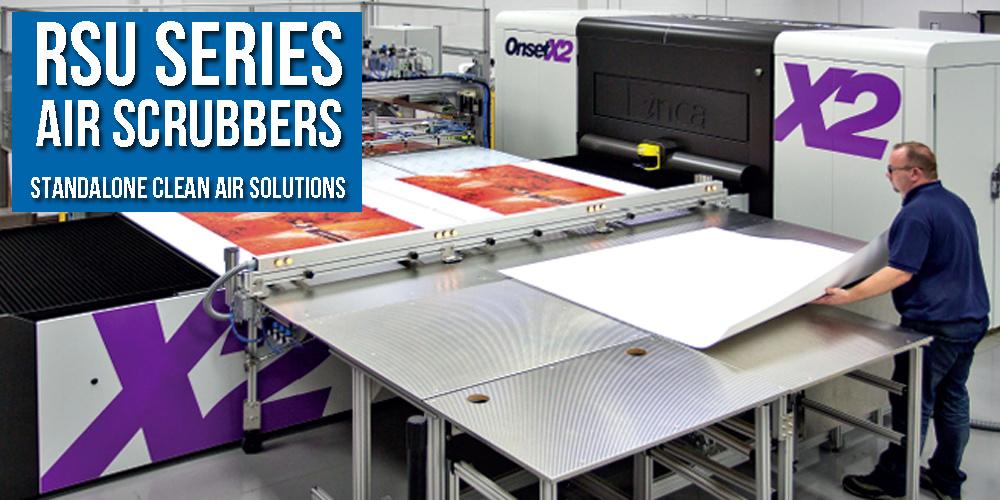
We specialize in multi-stage filtration systems that remove the widest range of air pollutants. Our Air Quality Experts have a catalog of over 100 models, exclusive carbon blends and specialized filters to offer solutions for chemicals, fumes, odors, particulate bio-hazards and general industrial or commercial filtration.
If you have any questions, feel free to chat with us live or call one of our professional air quality experts at 1-866-667-0297
Quick Start Links:


Featured Products